







Capsaicin vs Lidocaine: Which Works Faster?
When it comes to pain management, two compounds stand out for their unique mechanisms: capsaicin, the fiery active component in chili peppers, and lidocaine, a synthetic local anesthetic. But which one delivers faster relief? The answer depends on the type of pain, application method, and long-term goals. Here’s a breakdown of how pharmaceutical-grade capsaicin powder compares to lidocaine in real-world scenarios.
1. Speed of Action: Immediate vs Delayed Relief
Lidocaine works almost instantly—typically within 2-5 minutes—by blocking sodium channels in nerve cells, effectively "numbing" the area. This makes it ideal for acute pain, such as dental procedures or minor cuts.
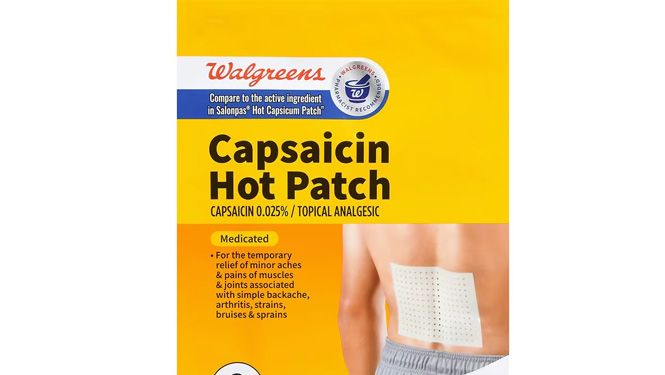
Capsaicin, on the other hand, has a delayed but longer-lasting effect. Initially, it may cause a warming or burning sensation as it binds to TRPV1 receptors, but within 30-60 minutes, it depletes substance P (a pain-signaling neurotransmitter), leading to prolonged relief. Clinical studies show capsaicin’s effects can last up to 12 weeks in patch formulations, far exceeding lidocaine’s temporary numbing.
▶️ Key Takeaway: Lidocaine wins for instant relief; capsaicin excels for sustained pain control.
2. Targeted Nerve Modulation vs Broad Numbing
Lidocaine is a non-selective sodium channel blocker, meaning it dulls all nerve signals—pain, touch, and temperature. This can lead to unwanted side effects like temporary loss of sensation or muscle twitching.
Capsaicin, derived from Pure capsaicin powder, selectively targets TRPV1 receptors, which are primarily responsible for inflammatory and neuropathic pain. By exhausting substance P, it reduces pain signals without affecting normal touch or motor function. This makes it preferable for conditions like:
Arthritis (OA/RA)
Neuropathy (diabetic nerve pain)
Post-surgical neuralgia

3. Natural Adaptation vs Synthetic Risks
Lidocaine carries risks like allergic reactions (rare but serious) and cardiotoxicity at high doses. It’s also metabolized quickly, requiring frequent reapplication.
Capsaicin, when used in standardized powder formulations (≥95% purity), has minimal systemic absorption. The most common side effect is transient burning, which diminishes with repeated use as nerves desensitize. Unlike lidocaine, capsaicin doesn’t interfere with heart or brain function, making it safer for long-term use.
4. Best Applications: When to Choose Each
✅ Use Lidocaine For:
Emergency pain (burns, injections, sutures)
Procedures requiring complete numbness (e.g., dermatology)
✅ Use Capsaicin Powder For:
Chronic pain (joint/muscle discomfort)
Topical creams/patches for localized relief
Anti-inflammatory formulations (enhanced with Turmeric/ginger)
5. The Future: Hybrid Formulas
Innovators are now combining both agents—for example, lidocaine for instant relief + capsaicin for sustained action—in post-operative patches. Research shows this dual approach reduces opioid use by 40% in pain management protocols.
Pro Tip for Formulators:
For capsaicin powders, start with 0.025–0.075% in creams/gels
Pair with cooling agents (menthol) to offset initial heat
Conclusion
Lidocaine is the undisputed champion for urgent, short-term pain blocking, while capsaicin powder shines in long-term, targeted pain modulation. The "faster" option depends entirely on your pain profile—but for chronic sufferers, capsaicin’s enduring benefits make it a game-changer.
Want to test high-purity capsaicin powder? Request samples with HPLC purity reports.