





Key Differences: Berberine HCL vs. Dihydroberberine?
In the Botanical Extract market,berberine HCL(Berberine hydrochloride) and dihydroberberine are two highly sought-after ingredients. For manufacturers, choosing the right raw material directly impacts product quality and market competitiveness.
As a professional supplier of botanical Extract Powders,Kintainutri® provides a detailed analysis of the key differences between the two to help you make the best choice.
Differences in Source and Structure
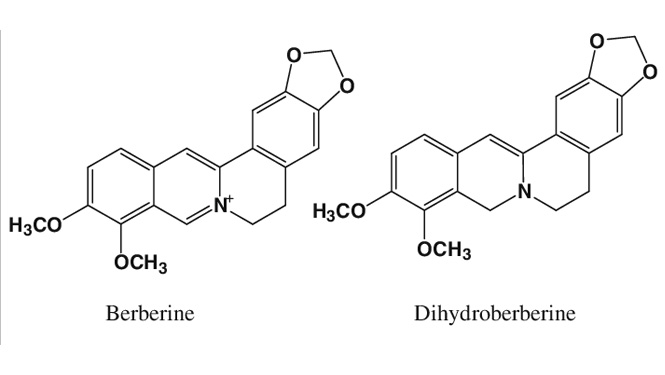
Berberine HCL and dihydroberberine differ significantly. Berberine HCL is an alkaloid extracted from various plants, including Coptis chinensis, Phellodendron amurense, and Tripterygium wilfordii.
It forms a salt compound after acidification with hydrochloric acid. Its chemical structure is stable and it is a naturally occurring active ingredient. Kintainutri®'s berberine HCL powder is extracted from high-quality Coptis chinensis, and the raw material base is strictly controlled to ensure source quality.
Dihydroberberine, on the other hand, is a derivative of berberine obtained through hydrogenation and reduction. It is an artificial transformation product and does not occur naturally in nature.
Differences in Absorption and Bioavailability
Absorption and bioavailability are key indicators of an ingredient's effectiveness. Berberine HCL has good water solubility, making it easier to mix with other ingredients during the formulation process. However, its absorption from the human intestine is relatively slow, resulting in a moderate bioavailability.
However, thanks to Kintainutri®'s advanced micronization technology, we produce berberine HCL powder with a finer particle size, which can significantly increase its intestinal dissolution rate and promote absorption.
In contrast, dihydroberberine is more lipid-soluble, theoretically resulting in higher intestinal absorption efficiency and slightly higher bioavailability than berberine HCL. However, this high absorption is conditional and requires specific formulation conditions; otherwise, its full potential is limited. For most manufacturers, berberine HCL offers stable performance without complex formulation adjustments, making it more practical.
Differences in Efficacy
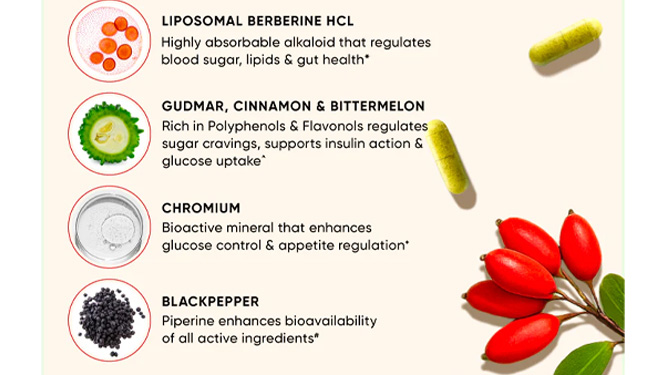
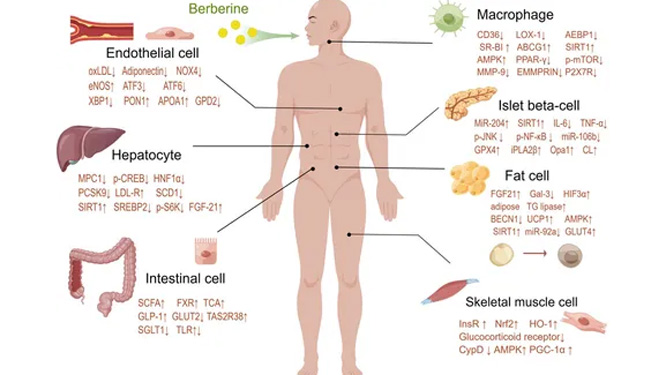
While there is some overlap between the two, berberine HCL has a wider range of applications and is more thoroughly researched. Berberine HCL exhibits significant antibacterial and anti-inflammatory properties, effectively inhibiting the growth and reproduction of a variety of pathogens.
It is commonly used in medicine to treat intestinal infections and other conditions. It also regulates blood sugar and lipids, improving metabolic disorders, and is a popular ingredient in functional foods and health supplements.
Kintainutri®'s berberine HCL powder undergoes multiple purification cycles, resulting in an active ingredient content exceeding 98%, ensuring the stability of the product's efficacy.
Dihydroberberine also has some role in regulating metabolism, but its other antibacterial and anti-inflammatory properties are relatively understudied, resulting in a narrower range of applications. Furthermore, the efficacy of dihydroberberine relies on its conversion to berberine in the body, a process that is significantly affected by individual variability and can lead to inconsistent product effects.
Safety Comparison
Safety is a key concern for manufacturers. As a natural extract, berberine HCL has been extensively clinically tested and its safety has been thoroughly verified. Within the prescribed dosage range, adverse reactions are extremely low and side effects are mild, primarily gastrointestinal discomfort, which resolves spontaneously upon discontinuation.
Kintainutri®'s berberine HCL powder has undergone rigorous safety testing, including heavy metal residue and microbial limits, and fully meets pharmaceutical and food-grade standards.
Although short-term studies of dihydroberberine, a derivative, have not revealed serious safety concerns, long-term safety data are relatively scarce due to its artificial conversion nature, making it difficult to fully assess potential risks. For manufacturers prioritizing product safety and regulatory compliance, berberine HCl is undoubtedly a more reliable option.

Differences in Production Costs and Supply Chain Stability
From the perspectives of production costs and supply chain stability, berberine hcl offers advantages. Kintainutri® boasts a stable raw material supply chain, and its large-scale production model reduces unit costs, enabling manufacturers to offer competitive pricing.
Furthermore, our mature production process, with strict quality control from raw material procurement to finished product shipment, ensures consistent quality across every batch of berberine HCl powder.
Dihydroberberine, on the other hand, requires an additional hydrogenation reduction process, resulting in higher production costs and more stringent technical and equipment requirements. This leads to a relatively less stable supply chain, potentially leading to significant fluctuations in procurement costs and impacting manufacturers' production plans and cost control.
Differences in Application Scenarios
In terms of application scenarios, berberine hcl is more versatile. Whether used in pharmaceutical preparations, functional foods, or health supplements, it adapts well to diverse production processes and formulation requirements. For example, Kintainutri®'s berberine HCl powder maintains excellent stability and compatibility in dosage forms such as capsules, tablets, and oral liquids.
Due to its limited properties, dihydroberberine is more suitable for specific high-end formulations or niche products, with a narrow application range that cannot meet the diverse needs of most manufacturers.
Kintainutri® Service Support
Kintainutri® also provides manufacturers with comprehensive service support. We support customized production and can adjust the particle size, purity, and other specifications of berberine HCl powder according to customer needs to meet the formulation requirements of different products. Regarding logistics, our efficient delivery system enables prompt response to orders and ensures timely delivery.
We also provide comprehensive certification documents, including Certificate of Analysis (COA) and Material Safety Data Sheet (MSDS), to facilitate manufacturers' product registration and market access. In summary, while dihydroberberine has certain theoretical advantages in terms of absorption, berberine HCL offers greater overall competitiveness in terms of natural origin, diverse efficacy, safety, cost-effectiveness, and broad application.
Kintainutri®'s berberine HCL powder, with its superior quality, stable supply chain, and excellent service, is the ideal choice for many manufacturers. If you are looking for a reliable berberine HCL raw material supplier, please feel free to contact us. We will provide you with professional solutions to help your products stand out in the market.